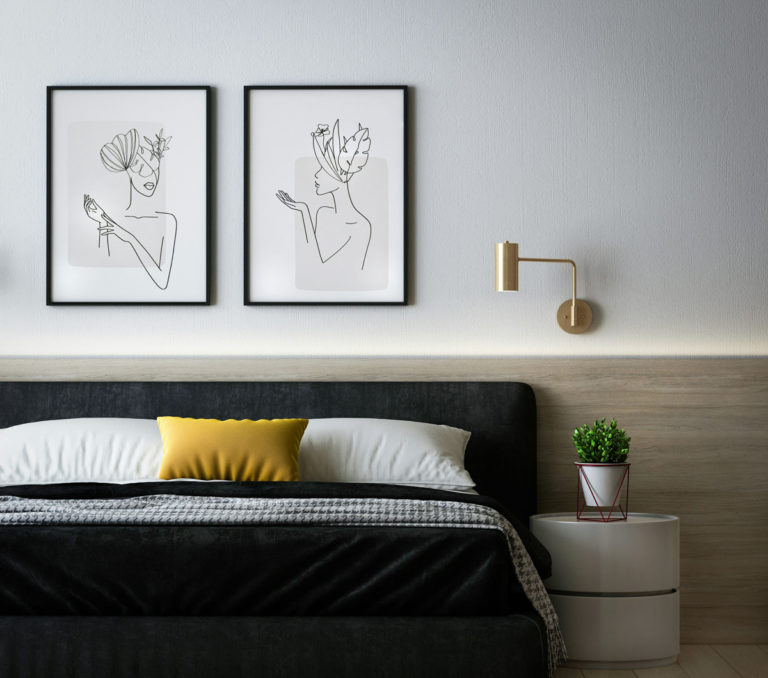
When decorating a bedroom, wall panelling is one of the best ways to add personality, texture, and depth. This design feature, once seen as traditional, has been reimagined in modern interiors to offer endless possibilities. Whether you want to create a cosy retreat, add a touch of luxury, or make your bedroom stand out, wall panelling can be a game-changer. Below, we’ll explore several modern bedroom wall panelling ideas to help you transform your space into something truly special.
1. Geometric Wood Panelling
Geometric wood panelling is a fantastic way to add visual interest and sophistication to your bedroom. Instead of the traditional horizontal or vertical wooden slats, consider patterns like herringbone, chevron, or even hexagons. These patterns bring a modern twist to wood panelling, creating a dynamic and engaging backdrop for your room.
Wood panelling in a geometric pattern works particularly well when paired with neutral colours or soft, muted tones. This allows the intricate designs to stand out without overwhelming the space. Opt for a dark wood finish like walnut or ebony for a more contemporary look.
2. Textured Fabric Panels
Textured fabric panels are an excellent choice for those seeking a softer, more luxurious feel. These panels can be made from velvet, linen, or suede and are typically padded for added comfort and elegance. The fabric adds a tactile element to the room, making it feel cosier and more inviting.
One of the benefits of fabric panels is their versatility in terms of colour and pattern. You can choose a bold, statement-making fabric for a dramatic effect or something more subtle and neutral to create a calming environment. Fabric panels also improve the room’s acoustics, making it quieter and more restful.
3. Vertical Slat Wall Panelling
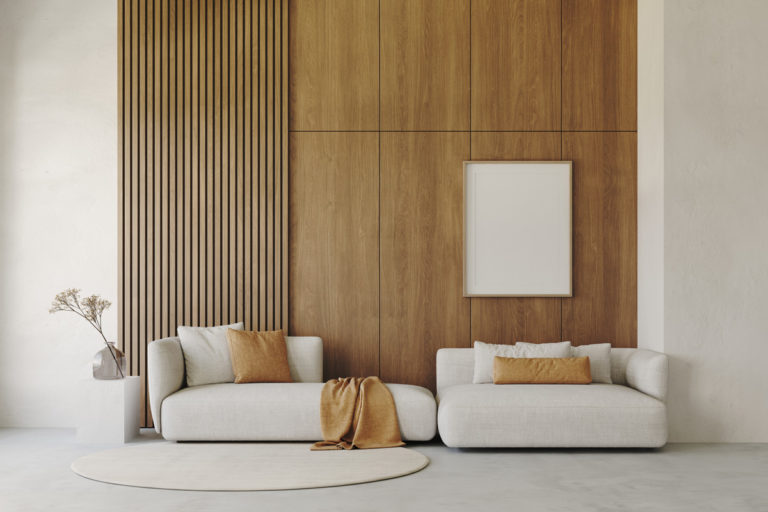
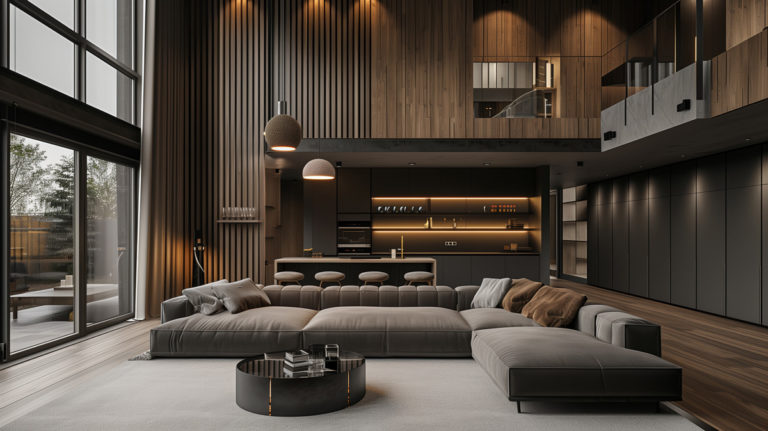
Vertical slat wall panelling has gained popularity in recent years. This type of panelling involves installing narrow wooden slats vertically across the wall, creating a sleek and streamlined look. The vertical lines can make your bedroom appear taller, adding a sense of height and spaciousness.
This panelling style works well in minimalist or Scandinavian-inspired interiors, focusing on clean lines and simplicity. The slats can be stained in various finishes to suit your decor, from light oak for a natural, airy feel to dark mahogany for a dramatic effect. Vertical slat panelling can also create a feature wall behind the bed, drawing attention to the focal point of the room.
4. Shiplap Panelling
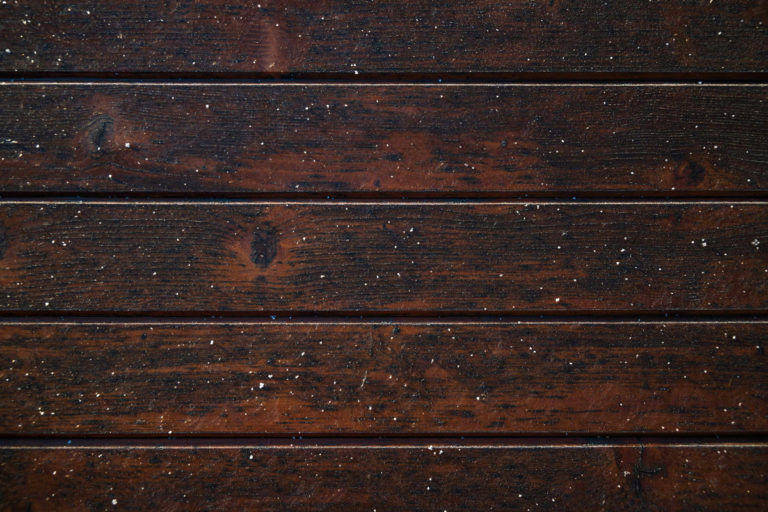
Shiplap panelling, characterized by its horizontal wooden planks, has grown in popularity over the last year. While it’s often associated with farmhouse or coastal styles, shiplap can be adapted to suit a variety of design aesthetics.
In a modern bedroom, shiplap can be painted in bold colours like deep navy, charcoal, or black for a striking contrast against lighter furniture and decor. Alternatively, a crisp white shiplap can create a fresh backdrop that enhances the room’s natural light. Consider pairing shiplap with contemporary furnishings and minimal accessories to keep the look modern.
5. Mix and Match Panelling
Who says you have to stick to one style of panelling? Mixing and matching different types of wall panels can bring something truly unique to your bedroom. For instance, you could combine vertical slat panelling with a fabric-upholstered section or pair geometric wood patterns with smooth, painted panels.
The key to mixing and matching is maintaining a cohesive colour palette and balancing textures and patterns. This approach allows you to play with contrast and depth, creating a layered and dynamic bedroom. It’s an excellent way to showcase your personality and design preferences, making your bedroom a true reflection of you.
6. Wainscoting with a Modern Twist
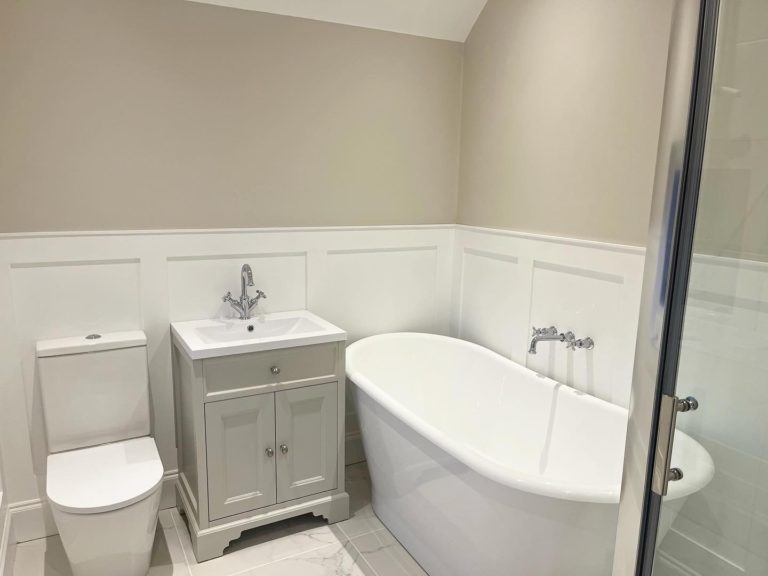
Wainscoting, the classic wall panelling that typically covers the lower half of a wall, can be given a modern twist to suit contemporary interiors. Consider flat panels or board-and-batten styles instead of the traditional raised panels. These more straightforward, streamlined designs keep the room fresh and updated.
To modernize wainscoting, you can also experiment with colour. Instead of the usual white or wood tones, try painting the wainscoting in a bold colour that contrasts with the upper wall. For example, deep green wainscoting paired with a light grey wall can create a striking, sophisticated look. This type of panelling is perfect for adding architectural interest and a sense of history to a modern bedroom.
Modern Bedroom Wall Panelling Ideas: Summary
Wall panelling is no longer just a traditional design element; it has evolved into a versatile and stylish feature that can transform a bedroom. The options are vast and varied, from geometric wood patterns to luxurious fabric panels, sleek metallics, and rustic reclaimed wood. Choosing the correct type of panelling for your space can create a stunning bedroom that reflects your style.
Whether you’re aiming for a minimalist retreat, a cosy sanctuary, or a bold statement room, modern wall panelling can help you achieve your design goals. So, go ahead and experiment with these ideas, and watch your bedroom come to life with new textures, colours, and patterns.
View our full range of Wall Paneling products
New styles added regularly!
When you think of shiplap, you probably envision rustic walls in a cozy farmhouse. But did you know that it can also be used for ceilings? Adding to your ceiling can give your room a fresh, charming look. It’s a versatile, affordable option that can fit various modern and traditional styles. Let’s dive into why it’s great for ceilings, and how to install it yourself.
What is Shiplap?
It’s a wooden board that creates a watertight seal in building structures. Historically, it was used for exterior walls of barns, sheds, and ships—hence the name. The boards have a special rabbet or notch cut into their edges, allowing them to overlap snugly. This overlapping design gives its distinctive look: a series of horizontal lines with small gaps in between.
Why Use Shiplap on Your Ceiling?
There are several benefits:
1. Aesthetic Appeal: Shiplap adds texture and interest to a ceiling, transforming a plain, flat surface into a visually appealing focal point. It works well with various interior styles, including farmhouse, coastal, rustic, and contemporary.
2. Concealment: Shiplap can hide imperfections in your ceiling, such as cracks, stains, or uneven surfaces. It can also cover unsightly wiring or pipes, providing a cleaner look.
3. Durability: Panelling Direct Shiplap is made of high quality timber, which is naturally durable and long-lasting.
4. Versatility: You can paint or stain to match your decor. Shiplap can be customized to suit your taste, whether you prefer the natural wood look or a crisp white finish.
5. Value Addition: Can increase the value of your home. It’s an attractive feature that potential buyers find appealing, giving your property an edge.
How to Install Shiplap on Your Ceiling
Installing on your ceiling might sound daunting, but it can be a DIY project with the right tools and patience. Here’s a step-by-step guide to help you through it.
Materials You’ll Need
– Shiplap boards
– Tape measure
– Level
– Stud finder
– Pencil
– Saw (circular or miter)
– Nail gun or hammer and nails
– Wood filler
– Sandpaper
– Paint or stain (optional)
Step-by-Step Installation
1. Prepare the Area: Clear the room of furniture and cover the floor with sheets to catch any debris. Make sure you have enough space to work comfortably.
2. Locate and Mark the Ceiling Joists: Use a stud finder to find the joists, the structural beams supporting the ceiling. Mark their positions with a pencil. For a secure installation, you’ll need to nail the boards into these joists.
3. Measure and Cut the Shiplap Boards: Measure the length of your ceiling and cut the shiplap boards to fit. For a more natural look, stagger the ends of the boards, similar to how you would lay hardwood flooring.
4. Install the First Board: Start at one end of the room and place the first shiplap board against the ceiling, with the rabbet edge facing the wall. Use a level to make sure it’s straight. Nail the board into the ceiling joists using a nail gun or hammer.
5. Continue Installing the Boards: Fit the next board into the first rabbet and secure it. Continue this process across the ceiling, ensuring each board is level before nailing it in place. Make sure the seams between the boards are tight for a professional finish.
6. Finishing Touches: Once all the boards are installed, fill any nail holes or gaps with wood filler (once dry, sand it smooth). If you’re painting or staining, now is the time. Apply a primer if you’re painting, followed by your chosen paint or stain.
Tips for a Successful Shiplap Ceiling
– Acclimate the Wood: Allow the boards to acclimate to the room’s humidity and temperature for a few days before installation. This helps prevent warping or shrinking after installation.
– Work with a Partner: A helper can make installing much easier. One person can hold the boards in place while the other nails them.
– Use Quality Materials: Invest in good-quality shiplap boards and nails. Cheap materials might warp or break, leading to a less-than-perfect finish.
– Safety First: Wear safety glasses and a dust mask to protect yourself when cutting wood.
Creative Ideas for Shiplap Ceilings
Shiplap ceilings don’t have to be boring. Here are a few creative ideas to inspire you:
– Paint it Bold: Instead of the traditional white, paint your shiplap ceiling boldly to make a statement. Navy blue, dark gray, or soft pastel can add a unique touch to your room.
– Mix Materials: Combine shiplap with other materials like beams or metal fixtures for a more industrial look. This creates a contrast and adds character to your space.
– Create Patterns: Experiment with different installation patterns. Diagonal or herringbone patterns can add a dynamic element to your ceiling.
Shiplap Ceilings: Summary
Using shiplap wall paneling on your ceiling is a fresh way to add charm and character to your home. It is an achievable DIY project with a significant impact, transforming an ordinary ceiling into a standout feature. So, why not give it a try? With a little effort and creativity, you can create a beautiful, unique ceiling that you’ll enjoy for years to come.
View our full range of Wall Paneling products
New styles added regularly!
Privacy is a significant concern for many people. Controlling what others and you can hear is crucial at home, in an office, or a public space. One of the most effective ways to enhance privacy in any environment is acoustic paneling. This blog post will explore acoustic paneling, how it works, and its benefits in increasing privacy.
What is Acoustic Panelling?
Acoustic paneling refers to panels made from sound-absorbing materials designed to reduce noise levels by absorbing sound waves. These panels can be made from various materials, including foam, fabric, wood, and recycled materials. They are often installed on walls or ceilings in spaces where noise reduction is desired.
Acoustic panels’ primary purpose is to control and reduce noise, making an environment quieter and more pleasant. However, they also play a crucial role in enhancing privacy by preventing sound from traveling between spaces.
How Does Acoustic Panelling Work?
Knowing a little about how sound travels is important to understand how acoustic paneling works. Sound waves move through the air, bouncing off surfaces like walls, floors, and ceilings. When these waves encounter a hard surface, they reflect and continue to travel, creating echoes and amplifying noise.
Acoustic panels work by absorbing these sound waves, reducing the amount of reflected sound and, thus, the overall noise level. Here’s a more detailed look at how this process works:
Sound Absorption
Acoustic panels are made from materials that are porous or have a lot of tiny holes. When sound waves hit these materials, they enter the holes and get trapped. The energy from the sound waves is then converted into a small amount of heat, which dissipates, effectively reducing the sound.
Reducing Reverberation
Reverberation is the persistence of sound in a space after the original sound is produced. It can make a room sound noisy and chaotic. Acoustic panels reduce Reverberation by absorbing sound waves, making speech and other sounds clearer and more distinct.
Blocking Sound Transmission
Some acoustic panels are designed to absorb sound and block it from traveling between rooms. These panels are often denser and made from materials that are effective at stopping sound waves from passing through.
Benefits of Acoustic Panelling for Privacy
Now that we understand how acoustic paneling works, let’s look at the specific benefits it offers for increasing privacy:
Enhanced Speech Privacy
Maintaining confidentiality is crucial in office environments. Acoustic panels can significantly improve speech privacy by absorbing sound and preventing conversations from being overheard in adjacent rooms or cubicles. This is especially important in medical offices, legal firms, and any business that handles sensitive information.
Improved Concentration and Productivity
Noise can be a big distraction, making it hard to focus on the task at hand. Acoustic panels reduce noise levels, creating a quieter, more focused work environment. This can be very beneficial in open-plan offices, where more people are likely to speak simultaneously.
Increased Home Privacy
Acoustic panels can help prevent noise from traveling between rooms in residential settings. This is useful for creating private spaces, such as a home office, a nursery, or a personal retreat. Acoustic panels can also help reduce noise from outside sources, such as neighbors or traffic, making your home more peaceful.
Better Quality of Life
Reducing noise levels can have a positive impact on overall well-being. Excessive noise can cause stress, disturb sleep, and negatively affect health. Acoustic panels help create a more serene environment, contributing to better mental and physical health.
Installation Tips
Installing acoustic panels correctly is crucial to maximizing their effectiveness. Here are some tips for successful installation:
Identify Problem Areas
Before installing acoustic panels, identify the areas where noise is most problematic. This might be along shared walls, near doors, or open spaces where sound tends to bounce around.
Placement
Place acoustic panels at ear level when seated for optimal results, as this is where most sound interaction occurs. Cover at least 15-20% of the wall surface for noticeable noise reduction.
Use Adhesive or Mounting Hardware
Depending on the panel type, you may need adhesive or mounting hardware to secure them to the walls or ceilings. If you need more clarification, contact us for expert advice.
Consider Aesthetics
Choose panels that complement the decor of your space. With various styles and colors available, you can find panels that enhance your environment’s functionality and appearance.
Conclusion
Acoustic paneling is an effective and versatile solution for increasing privacy and reducing noise levels in various environments. You can create a more private, productive, and peaceful space by understanding how acoustic panels work and their benefits. Acoustic paneling is a valuable investment if you’re looking to improve speech privacy in an office, create a quiet home environment, or enhance the overall quality of life.
View our full range of Wall Paneling products
New styles added regularly!
When considering options for wall paneling, homeowners often find themselves choosing between timber and veneers. Both can add elegance and warmth to your home. Still, they come with distinct characteristics, advantages, and disadvantages. By understanding these differences, you can make an informed decision in line with your aesthetic preferences, budget, and maintenance capabilities.
What is Timber?
Timber, or solid wood, is a natural building material derived directly from trees. It is used in construction, furniture, and decorative applications, including wall paneling. Timber panels are cut from the tree trunk and retain their natural grain and texture. Common types of timber used for wall paneling include oak, pine, cedar, and mahogany.
Advantages of Timber
1. Aesthetic Appeal: Timber offers a natural, rich, warm look that is hard to replicate. Each piece has unique grain patterns and colours, providing a distinctive and timeless appeal.
2. Durability: High-quality timber is durable and can last decades with proper care. It is resistant to wear and tear, making it a good long-term investment.
3. Insulation: Timber has excellent insulation properties. Helping to keep your home warm in the winter and cool in the summer.
4. Eco-Friendly: Timber is a renewable resource. It has a lower environmental impact when sourced responsibly than many other building materials.
What are Veneers?
Veneers are thin cuts of wood glued onto a panel made of a less expensive material such as plywood, particleboard, or MDF (medium-density fiberboard). They allow for the appearance of solid wood without the cost or weight.
Advantages of Veneers
1. Cost-Effective: Veneers are generally more affordable than solid wood. They allow you to achieve the look of expensive wood types without the associated costs.
2. Versatility: Veneers can be applied to various surfaces and used to create a wide range of finishes and patterns. Compared to solid timber, they allow for more design flexibility.
3. Stability: Veneered panels are less likely to warp or crack than solid wood because the core materials are more stable.
4. Sustainability: Veneers efficiently use wood resources since thin slices can cover larger areas than solid wood. This can reduce the overall environmental impact.
Making the Choice: Timber or Veneers?
When deciding between timber and veneers for wall paneling, consider the following factors:
1. Budget:
Timber might be the right choice if you have a higher budget and want a luxurious, long-lasting material. Veneers are a great alternative for those looking for a more affordable option that still offers the look of wood.
2. Aesthetic Preferences:
Timber offers a more authentic and unique appearance with natural grain patterns. Veneers, however, provide more design flexibility and can take on the look of various wood types and finishes.
3. Maintenance Commitment:
Timber requires more regular maintenance to protect it from damage and keep it looking its best. Veneers require less upkeep but are harder to repair if damaged.
4. Environmental Considerations:
Timber and veneers can be environmentally friendly if responsibly sourced. Timber is a natural, renewable resource, while veneers efficiently use wood by covering larger areas with less material.
5. Longevity:
Timber is typically more durable and long-lasting, making it a better choice for areas with high traffic or where durability is essential. Veneers are suitable for less demanding applications or where the look of wood is desired without the cost.
Wall Paneling Materials: Summary
Both timber and veneers have their unique advantages and disadvantages when it comes to wall paneling. Timber offers a timeless, durable, and authentic look but comes with a higher cost and maintenance requirements. Veneers, on the other hand, provide a cost-effective, versatile, and stable alternative with a wide range of design possibilities.
Whether you choose the natural charm of timber or the versatile appeal of veneers, both options can transform your walls and elevate the aesthetic of your home.
View our full range of Wall Panelling products
New styles added regularly!
Decorating a child’s room is an exciting adventure. It’s a chance to be playful and creative. Wall paneling is a great way to add charm and personality to any child’s bedroom or play area. Here are some fun and creative paneling ideas to transform your child’s space.
Wainscoting with a Twist
Traditional wainscoting gets a fun update in kids’ rooms. Choose bright colours or add whimsical patterns. Stencils are great for introducing fun shapes like stars, hearts, or animals. Wainscoting not only looks great but also protects walls from bumps and scratches.
Sports Panels
For a sports-loving child, sports panels are perfect. Use panels to create murals of their favourite sports or teams. Add elements like basketball hoops, football nets, or race tracks. This idea brings their passion into their personal space.
Pegboard Panels
Pegboard panels are perfect for organizing and displaying toys. You can paint the pegboard in vibrant colours and add hooks, baskets, and shelves for storage. It’s a great way to keep the room tidy and give your child easy access to their favourite things.
Chalkboard Wall Paneling
Chalkboard panels are a hit with kids. They turn walls into a canvas for endless creativity—paint sections of the wall with chalkboard paint. Your child can draw, write, and erase as often as they like. This idea works well in playrooms and study areas. Plus, it’s easy to clean!
3D Wall Paneling
3D wall panels add texture and interest to a room. Choose from designs like waves, bubbles, or geometric shapes. Paint them in your child’s favourite colours. These panels are fun to touch and look at, making the room more dynamic.
Interactive Learning Panels
Combine fun and education with interactive learning panels. Use panels to create maps, alphabets, or number charts. Paint them with chalkboard or whiteboard paint for added functionality. This idea makes learning a part of everyday play.
Geometric Panels
Geometric panels add a modern and stylish touch to the room. Use shapes like triangles, hexagons, or diamonds. Paint them in a variety of colours or stick to a monochrome palette. This idea is perfect for adding a bit of sophistication to the space.
Nature-Inspired Panels
Bring the outdoors inside with nature-inspired panels. Use materials like wood, bamboo, or cork. Add elements like leaves, flowers, or animal shapes. This idea creates a calming and natural atmosphere in the room.
Animal Panels
Kids love animals, so why not bring them into the room? Create panels or murals with animal shapes. Paint them in bright colours or add fun details. This idea makes the room feel playful and lively.
Play with Patterns and Layouts
Experiment with different patterns and layouts for a modern twist on traditional panelling. Horizontal shiplap can make a room appear wider, while vertical panels can add height. Geometric patterns or asymmetrical layouts can give a modern edge. Be creative with the panelling arrangement to achieve a unique and personalized look.
Shiplap Wall Paneling
Shiplap panels give the room a rustic and charming look. Paint them in soft pastel colours for a sweet touch. Shiplap is durable and easy to install, perfect for adding a cosy feel to your child’s space.
Glow-in-the-Dark Panels
Glow-in-the-dark panels add a magical touch to the room. Use glow-in-the-dark paint to create stars, planets, or other shapes. During the day, the panels look normal, but at night, they glow. This idea is perfect for creating a cosy bedtime environment.
Colour Block Panels
Colour block panels add a bold and modern look to the room. Choose bright and contrasting colours. Paint different sections of the wall in large blocks of colour. This idea is simple yet striking, making the room vibrant and lively.
Storybook Panels
Turn your child’s favourite storybook into wall panels. Paint scenes or characters from the book onto the panels. This idea makes the room feel like a living story and is great for inspiring your child’s love for reading.
Underwater Panels
Transform the room into an underwater adventure with ocean-themed panels—paint panels with sea creatures, waves, and coral reefs. Use shades of blue and green for a calming effect. This idea makes the room feel like a magical underwater world.
Space Panels
Space panels are great for little astronauts. Create panels with planets, stars, and rockets. Use dark blue and black for the background and add glow-in-the-dark elements. This idea inspires a sense of wonder and adventure.
Fantasy Panels
Bring fairy tales to life with fantasy panels. Use panels to create castles, dragons, and enchanted forests. Paint them in whimsical colours and add glitter for a magical touch. This idea turns the room into a fantasy land.
Conclusion
Wall paneling is an excellent way to add personality and charm to a child’s room. These creative ideas make the space fun, engaging, and unique. Whether you choose chalkboard panels, fabric panels, or any other idea, the result will be a room your child loves. Remember to involve your child in the process. Let them help choose colours and themes. This makes the project even more special and ensures the room reflects their personality and interests. Happy decorating!
View our full range of Wall Panelling products
New styles added regularly!
Combining the classic look of traditional panelling with the clean, simple lines of contemporary decor, wall panelling can add depth, texture, and character to any room. Making it a versatile choice for homeowners and designers. Here are some tips on seamlessly blending traditional wall panelling with modern interior design elements to create a cohesive and stylish look.
Understanding Wall Panelling
Before we dive into design tips, let’s understand the different types of wall panelling:
1. Wainscoting: This classic style covers the lower third of a wall and comes in various patterns and materials.
2. Shiplap: Known for its horizontal boards, shiplap offers a rustic yet modern feel.
3. Beadboard: This style has vertical grooves, adding a cottage or coastal vibe.
4. Raised Panels: These panels add depth with framed sections, giving a formal look.
5. Flat Panels: Smooth and simple, flat panels lend a contemporary touch.
Tips for Blending Traditional Wall Panelling with Modern Design
1. Choose the Right Wall Panelling Style
Pick a panelling style that complements the modern design. Simpler styles, like flat panels or shiplap, work best. They add texture and interest without overwhelming the space.
2. Harmonize the Color Palette
Colour is crucial in blending traditional and modern elements. Choose a neutral colour palette for your panelling. Whites, greys, and muted tones work well. Dark shades like charcoal or navy can add drama and sophistication for a bolder look. Ensure the panelling colour matches or complements the room’s overall palette.
3. Mix Materials
Using a combination of materials is a great way to add depth and interest. Pair traditional wood panelling with modern metal, glass, or concrete materials. For example, a shiplap accent wall with a sleek metal coffee table or glass pendant lights looks excellent. This mix creates a balanced and appealing design.
4. Focus on Lighting
Lighting is key to showcasing wall panelling. Use a mix of ambient, task, and accent lighting. Recessed lighting, floor lamps, and wall sconces can highlight the panelling. Consider LED strip lighting to accentuate the lines and patterns for a modern touch.
5. Use Minimalist Furniture
Modern design often features minimalism. Balance the detailed textures of panelling with simple, sleek furniture. Choose pieces with clean lines, neutral colours, and minimal decoration. This contrast highlights the panelling while maintaining the room’s modern feel.
6. Incorporate Modern Art and Decor
Blend traditional panelling with contemporary art and decor. Large, abstract paintings or modern sculptures can stand out against classic panelling. Choose bold, geometric decor items to emphasize the contemporary look.
7. Think About Wall Panelling Placement
The strategic placement of wall panelling can enhance the modern look. Instead of covering all the walls, use panelling as an accent. For instance, panel one wall in the living room to create a focal point or use wainscoting in the dining area to add sophistication without overwhelming the room. This selective approach ensures the panelling enhances rather than dominates the design.
8. Blend with Modern Architectural Features
Include modern architectural features to balance the traditional feel of wall panelling. Elements like open floor plans, large windows, and sleek built-in shelving can provide a contemporary touch. This blend of old and new creates a dynamic and cohesive look.
9. Play with Patterns and Layouts
Experiment with different patterns and layouts for a modern twist on traditional panelling. Horizontal shiplap can make a room appear wider, while vertical panels can add height. Geometric patterns or asymmetrical layouts can give a modern edge. Be creative with the panelling arrangement to achieve a unique and personalized look.
10. Embrace Sustainability
Sustainability is important in modern design. Choose eco-friendly materials for your wall panelling, such as reclaimed wood or bamboo. These materials add unique character and align with sustainability and environmental consciousness values.
Conclusion
Incorporating wall panelling into modern interior design is about blending old and new. By choosing the right panelling style, colour palette, furniture, materials, and decor, you can create a timeless and contemporary space. The key is to balance traditional elements of the panelling with modern aspects of the design. With these tips, you can transform any room into a stylish and cohesive space that reflects classic elegance and modern sophistication.
View our full range of Wall Panelling products
New styles added regularly!
Wall panelling can transform small rooms, making them feel bigger and more stylish. Though often used in large spaces, modern wall panelling works wonders in small areas. Here are some tips for using wall panelling to enhance and visually expand your small spaces.
1. Use Vertical Lines
Vertical panelling makes a room look taller. It draws the eye upward, helping to create the illusion of height. Try using vertical shiplap or beadboard panelling. This not only makes the space seem taller but also adds a touch of charm or elegance.
2. Choose Light Colors
Light colours make a room feel open and airy. When selecting wall panelling for a small room, go for whites, pastels, or soft neutrals. Whitewashed wood panels or light grey beadboard can make a room serene and spacious.
3. Use Horizontal Wall Panelling
Horizontal panelling can make a room seem wider, which works well in narrow rooms or hallways. Horizontal shiplap or tongue-and-groove panelling can also make the walls look longer. Keep the panelling light-coloured and use simple furniture to avoid clutter.
4. Combine Paneling with Mirrors
Mirrors can make a room look bigger; the effect is even better when used with wall panelling. Install mirrored panels within your wall panelling design. This adds depth and reflects light, enhancing the sense of space. Mirrored wainscoting or panels mixed with wood can be a chic addition to a small room.
5. Use High-Gloss Finishes
High-gloss finishes on wall panelling can make a room feel brighter and larger. Glossy panelling reflects light, creating a more open feel. This works well in small bathrooms or kitchens. However, balance is key—too much gloss can be overwhelming. Consider using gloss on a single accent wall or below a chair rail.
6. Add Texture with Wall Panelling
Textured wall panels add depth, making a small room feel more dynamic. 3D wall panels or panelling with designs can add interest and dimension. These panels come in various materials, from wood to PVC, and can be painted to match your room’s colour scheme. Use textured panels on one feature wall to avoid overwhelming the room.
7. Integrate Storage
In small spaces, every inch counts. Wall panelling can include built-in storage to make the most of limited space. Consider wainscoting with built-in shelves or panelling with hidden cabinets. This saves space and keeps the room tidy. Built-in bookshelves or hidden compartments within panelling add function while maintaining style.
8. Mix and Match Styles
Mix different panelling styles to add character to your small space. Combining vertical and horizontal panels can create an interesting look distracting from the room’s size. For example, vertical shiplap can be used on one wall and horizontal beadboard on another. This approach makes the space more dynamic and visually interesting.
9. Focus on Accent Walls
In small spaces, a little goes a long way. An accent wall with striking panelling can make a big impact. Choose one wall to highlight with unique panelling, like behind the bed in a small bedroom or behind the sofa in a compact living room. Drawing the eye beyond the furniture adds depth and makes the room feel more spacious.
10. Extend Paneling to the Ceiling
Extending wall panelling to the ceiling can make a room feel bigger. This works well in small attics or loft spaces with lower ceilings. Panelling the ceiling in the same style and colour as the walls creates an expansive, seamless look.
Conclusion
Wall panelling offers stylish solutions for enhancing small spaces. Whether you want to add height, width, or depth, the right panelling can transform a cramped room into a spacious and inviting one. Light colours, vertical lines, textured designs, and integrated storage can make a big impact on your small space without major renovations. Thoughtful design and strategic use of materials are key to creating a space that feels both open and cosy.
View our full range of Wall Panelling products
New styles added regularly!
Wall panelling, often celebrated for its aesthetic appeal, has a rich history that spans centuries. It also offers functional benefits beyond its decorative powers, helping to enhance a space’s practicality and longevity. From improved insulation to soundproofing and durability, wall panelling is a powerful solution in modern interior design.
Wall Panelling & Insulation
One of the most significant benefits is the ability to add extra insulation. Traditional wall panelling materials like wood naturally help maintain a consistent indoor temperature. Panelling reduces heat loss during the winter and keeps interiors cooler during the summer by adding an extra layer to the walls. This creates a more comfortable living environment and contributes to energy efficiency, potentially reducing heating and cooling costs.
Contemporary solutions have taken this a step further. Modern materials and designs have advanced insulation properties. For example, composite materials or panels with built-in insulation layers can significantly boost the insulation provided. This makes it an intelligent choice for homeowners looking to improve energy efficiency without sacrificing style.
Superior Soundproofing
In today’s bustling world, peace and quiet are often hard to come by, making soundproofing a key part of home and office design. The density and structure of panelling materials can absorb and block sound waves, reducing the amount of noise that penetrates through walls and dampening noise from outside sources and within the building itself.
Acoustic panels designed explicitly for soundproofing have high sound absorption properties. They effectively reduce echo and background noise, making them ideal for cinema rooms, recording studios, offices, and any space where sound control is essential.
Durability and Protection
Wall panelling is renowned for its durability. Unlike plasterboard, which can be easily damaged by everyday wear and tear, panelling provides a robust and resilient surface that stands up well to impacts. This durability makes it great for high-traffic areas such as hallways, kitchens, and commercial spaces. Wooden panelling, for example, can withstand bumps, scratches, and other minor damages that would mar painted walls.
Moreover, it can protect the underlying structure of the building. By shielding walls from moisture, panelling helps prevent mould and mildew, which can cause significant damage over time. Due to their water-resistant properties, certain types of panelling, like PVC and vinyl, are particularly effective in wet areas like bathrooms and basements.
Easy Maintenance and Longevity
Maintenance is another area where wall panelling shines. Painted walls often require regular touch-ups and repainting, especially in busy households or commercial settings. In contrast, many types of wall panelling are designed for easy cleaning and minimal maintenance. For example, wood panels can be wiped down with a damp cloth, and vinyl or composite panels can be cleaned with mild detergents. This ease of maintenance ensures that panelling remains attractive and functional for many years.
Wall panelling’s longevity also makes it a cost-effective choice. High-quality panelling materials, properly installed and maintained, can last for decades. This long lifespan, coupled with the reduced need for repairs and maintenance makes it a wise investment for homeowners and businesses.
Environmental Benefits of Wall Panelling
In an age where sustainability is increasingly essential, wall panelling offers several environmental benefits. Many panelling materials are sourced from sustainable resources. For instance, wood panelling can be made from reclaimed or responsibly harvested timber, reducing the environmental impact of construction. Additionally, some modern panelling options are made from recycled materials or are designed to be recyclable at the end of their life cycle.
Furthermore, the enhanced insulation properties of wall panelling contribute to energy conservation, which benefits the environment. By reducing the need for heating and cooling, wall panelling helps lower energy consumption and, consequently, a building’s carbon footprint.
Versatility in Design
While the functional benefits of wall panelling are impressive, it’s impossible to ignore its versatility in design. Wall panelling has various styles, materials, and finishes, allowing endless customization. From traditional wainscoting and beadboard to contemporary 3D panels and sleek, minimalist designs, there is a panelling option to suit every taste and interior style.
This versatility extends to its application. Wall panelling can create accent walls, cover entire rooms, or highlight architectural features such as fireplaces and staircases. Its adaptability makes it a valuable tool for interior designers and homeowners looking to add character and depth to a space.
Conclusion
While it is often appreciated for its decorative appeal, wall panelling is more than just an aesthetic enhancement. Its functional benefits—including improved insulation, superior soundproofing, durability, easy maintenance, and environmental advantages—make it a valuable addition to any home or commercial space. So whether you are remodelling an old building or designing a new one, consider the multifaceted benefits of wall panelling. It’s a practical, stylish, and sustainable choice that enhances the beauty and functionality of any interior.
View our full range of Wall Panelling products
New styles added regularly!
With the festive season fast approaching, now is the perfect time to make changes to your home ready for hosting Christmas day. From small and simple updates to instantly add that festive feel, to bigger adjustments that will benefit your property throughout the Christmas season and beyond, here are five ways to elevate your home for Christmas…
1. Create a Bannister Garland
Often very impactful but fairly inexpensive to do, a Christmas garland running up the bannister of your stairs will create that all important first impression for guests. Particularly effective if your stairs lead off from your entrance hall, everyone that comes in your home will feel instantly festive and welcomed.
Ready made garlands can be expensive, but it’s actually really easy to create your own using foraged greenery and Christmas decorations that you already have. Fur and eucalyptus will look particularly festive, and you can add in extra depth and interest with dried orange slices, pinecones and baubles. Other than this, you will just need floristry wire to secure your foliage and decorations to your bannister.
2. Add Wall Panelling
Another wonderful way to elevate your entrance to your home is to add wall panelling. There is something about panelling that feels very festive – perhaps because of its ability to add charm and character to any property. But of course panelling doesn’t just work for the festive season – adding wall panelling to your home will elevate your interiors all year round, and could even add value to your property too.
Hallway wall panelling teamed with a bannister garland will be wonderfully festive. You could even opt for a half panelled wall, and add a thin garland along the top of your panelling. For an inexpensive way to create beautiful hallway panelling, try our panelling kit creator.
3. Introduce Festive Dried Flowers and Arrangements
With a wide variety of festive shades available, Christmassy floral arrangements are a great low fuss way to add an instant festive feel. Opt for shades of reds, greens, gold and whites, and style on your kitchen island, coffee table or as a centrepiece on your dining table. Choose dried arrangements as these can last for years and can be used again next year and beyond.
4. Paint a Feature Wall
It is possible to make more permanent changes for Christmas that will also work all year round. Shades such as burgundy and forest green feel really festive, but once the rest of your Christmas decorations have been taken down, will work all year round too. If you are installing wall panelling this year, you could consider painting it a statement colour in a festive shade, or simply opt for a feature wall to make an impact.
5. Add a Cosy Touch
Soft furnishings are a brilliant way to update your home for Christmas. Velvet cushions in reds, greens and golds always look festive and are timeless too. Blankets and throws will also add a cosy feel to bedrooms and living rooms and are easy to switch around once Christmas is over.
Christmas is a wonderful time of year focused on spending time with family and friends and enjoying ourselves. Get your home ready and create that festive feeling to make the most of Christmas this year.
If you’re thinking about selling your property and moving on, it’s important to consider how you can get the best possible price. In many cases, adding value to your home doesn’t mean having to make big changes. Try these five ways to add value to your home…
1. Declutter and Style your Home
A home that’s full of clutter is difficult to sell, as buyers struggle to get an accurate idea of the space and what it might be like to live in it. When it comes to selling new houses, there’s a reason why developers pay interior designers to stage their homes – creating a beautiful space enables potential buyers to picture themselves living there, and this is key to generating interest in a property.
Before you list your property for sale, declutter as much as possible, and invest in some on-trend soft furnishings and decorative items, to elevate your home.
2. Add Wall Panelling
Wall panelling is timeless and it instantly adds an expensive look and feel to any property. It’s also a great way to cover up any uneven or bumpy walls, without having to replaster which is often a messy job. From classic shaker panelling to more modern tongue and groove panelling, there’s a style of wall panelling to suit every property.
It’s not necessary to hire a carpenter to make and install bespoke wall panelling. Instead try our panelling kit creator to create your own cut to size wall panelling, which is easy to install yourself.
3. Focus on Curb Appeal
First impressions are everything, and this is true with properties too. Sprucing up the front of your house can make a huge difference and positively impact the number of viewings you get, as well as the viewing itself. Creating healthy competition when it comes to selling your property is essential to get the best possible price, and more viewings and positive experiences means more interest and competition.
Make sure that the exterior of your house looks fresh and tidy. Consider a lick of paint, or painting your front door. Try adding a new brass knocker and door number. Pull out any weeds and introduce potted plants, or lay patio at the front for a tidier look. Make sure bins are out of sight and anything else that may look unsightly.
4. Reintroduce Original Features
Did you know that period properties tend to sell for about 15% more than modern properties? In the UK, buyers love historical features, and properties that include original features are more sellable and are more likely to sell for a higher price. From Victorian fireplaces to dado rails, picture rails, wall panelling and cornicing, by reinstating original features that may have been removed, you can add character and charm back into your property while adding value too.
5. Spruce up your Kitchen or Bathroom
The kitchen and bathroom are said to be one of the biggest selling points of any property, and having a good-sized and stylish kitchen and bathroom can add lots of value. If you’re hoping to move soon, it might not feel like the right thing to install a brand new kitchen or bathroom suite, but sometimes a spruce up is all you need.
Add a fresh lick of paint to the walls, deep clean everything, introduce new bath towels and a new bath mat, as well as accessories like plants, or perhaps a large dried flower bouquet in your kitchen. Clear clutter from the sides and make sure everything looks fresh and neat and tidy. A great way to upgrade your kitchen or bathroom without having to replace everything is to add wall panelling – just make sure that you use moisture resistant MDF in these rooms.
A few simple and easy changes can go a long way when it comes to adding value to your property. Make these changes before your house is photographed to sell, to attract more potential buyers from the off set.